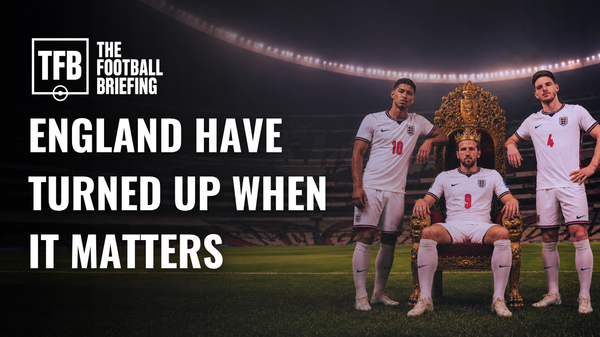
England have topped the group, but Tuchel’s side still look like a team searching for themselves

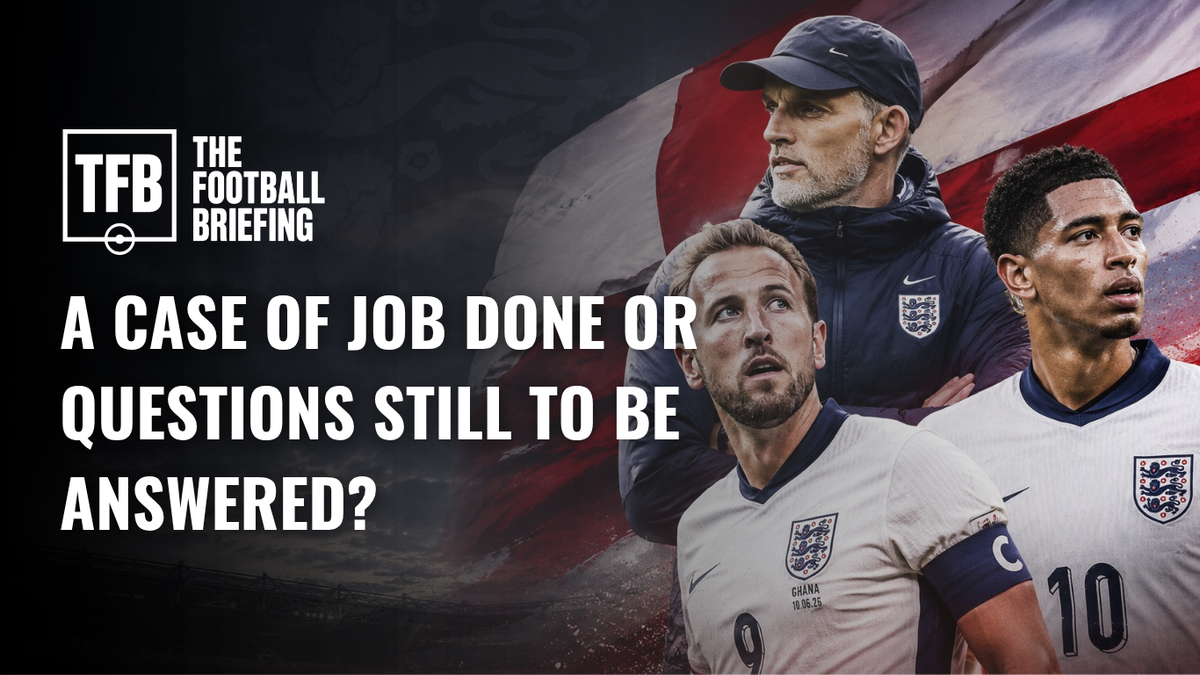
England have done what every serious World Cup contender sets out to do. They have won their group, avoided unnecessary drama and reached the knockout stage unbeaten. On paper, Thomas Tuchel’s side have done exactly what was required.
Still, after three matches, there is a slightly unresolved feeling around this England team. They have been efficient rather than exhilarating, organised without always convincing and, despite finishing top of Group L with seven points, still appear to be searching for their full identity. That may be normal. It may even be useful.
The opening 4-2 victory over Croatia remains England’s best performance of the tournament. The game shifted repeatedly before England found another level after half-time. Harry Kane scored twice, Jude Bellingham took over the biggest moments and Marcus Rashford added a fourth as England produced the sort of attacking football many hoped Tuchel would bring.
Afterwards, Tuchel described Kane’s display as a “complete performance”, praising not only his goals but his work for the team. Kane, meanwhile, said the manager had urged his players at half-time to “take the shackles off” and play with greater freedom.
It felt like the start of something. The following two matches suggested England are not there yet.
Against Ghana, they dominated possession, territory and almost every statistical category that usually points towards victory. Yet for all their control, and despite seeing almost 80 per cent of the ball, they never truly looked capable of overwhelming a disciplined defensive structure. The goalless draw was frustrating rather than alarming, but it highlighted an issue that has followed England across several tournaments: control does not always become creativity.
The same problem resurfaced against Panama. England eventually won 2-0, with Bellingham breaking through before Kane became England’s outright leading World Cup goalscorer with his eleventh goal at the tournament. The result secured top spot and removed any jeopardy, but for more than an hour England again moved the ball comfortably without consistently unsettling their opponents.
Kane admitted afterwards that England had been “a little bit sloppy in the final third”. Tuchel insisted his team would improve as the competition became more demanding. He may be right, but the evidence so far points both ways.
The group stage has given England several reasons for encouragement. The clearest is their defensive organisation.
Since Croatia exposed a few early vulnerabilities, England have become increasingly difficult to play through. Tuchel has tightened the distances between units, improved the pressing structure and produced a team that rarely looks stretched when possession turns over. Knockout football is often decided by the side that makes fewer mistakes, and England already look capable of controlling matches without the ball.
Then there is Kane. There comes a point where discussing him purely as a goalscorer undersells his influence. Four goals in three matches speak for themselves, but his movement, leadership and understanding of when to drop into midfield remain central to almost everything England do. At 32, he still looks like the player around whom their tournament will be defined.
Bellingham has become something else again. Against Panama, when England needed somebody to force the issue rather than wait for the game to open, he simply imposed himself. His goal changed the feel of the match before his cross created Kane’s header five minutes later. England are increasingly looking to Bellingham when a game needs shifting.
The concerns are just as clear. The first is England’s ability to dismantle organised defensive blocks.
Ghana and Panama approached the task differently but reached the same conclusion: stay compact, deny space between the lines and ask England to produce something exceptional. Too often, England circulated possession rather than accelerating attacks. The football was tidy, but not always threatening.
That inevitably raises questions about Tuchel’s attacking options. Not because he has selected a poor squad, but because knockout games often require something different from the bench: a player who can beat a defender in one action, or find an unexpected pass when structure has reached a dead end.
That is where Cole Palmer inevitably enters the conversation. Whether he would have started is almost beside the point. His value would have been as a different kind of solution. When games become tactical stalemates, one player comfortable in disorder can alter the whole complexion of a tie. England perhaps lack that genuine wildcard.
There is also the question of whether Tuchel has found his strongest attacking unit. Kane and Bellingham are untouchable. Beyond them, the picture is less settled.
Rashford has contributed but remains inconsistent. Bukayo Saka has shown flashes without dominating matches. Morgan Rogers has quietly grown into the tournament, while Anthony Gordon and Noni Madueke have both had opportunities without making their positions impossible to question. Rotation has been understandable, but England still feel one attacking partnership away from being a settled side.
The third issue is tempo. England have largely dictated games on their own terms, but Ghana and Panama looked comfortable with that rhythm. The passing was often patient when it needed to become sharper. Against stronger opponents, patience can be a strength. Against deep defensive blocks, it can start to look predictable.
So are England built for knockout football? The evidence suggests they probably are.
Tournament football is rarely won by the side playing its most expansive football in the opening fortnight. Germany lifted the trophy in 2014 after beginning with a statement victory before producing less convincing displays later in the group stage. France’s route to the title in 2018 was based more on efficiency than entertainment. Argentina lost their opening game in Qatar before gradually becoming the strongest team in the competition. There is no universal formula. Some champions announce themselves immediately; others grow round by round.
The important question is whether England can now progress once the margin for error disappears. That process starts against DR Congo.
England will rightly begin as favourites, but this is unlikely to be the straightforward evening many supporters expect. Under Sébastien Desabre, DR Congo have become one of Africa’s most tactically disciplined international sides. They rarely lose their shape without the ball, defend with patience rather than desperation and are comfortable spending long periods without possession.
In that sense, the examination will feel familiar. England have already faced two opponents in Ghana and Panama who placed defensive organisation above everything else. DR Congo are likely to present another version of the same problem, with greater quality once possession is regained.
That is where England need to be careful. DR Congo are most dangerous when attacking quickly into open space. Rather than trying to dominate matches themselves, they are happy to allow opponents forward before breaking through the pace and movement of Yoane Wissa and Cédric Bakambu. If England become careless or too committed in possession, there is enough quality in those transitions to hurt them.
Tuchel will understand that balance. England cannot simply throw numbers forward because they expect to dominate the ball.
For all of DR Congo’s organisation, though, England should still control the game. The African side have made significant progress under Desabre but have not consistently tested themselves against the very best international teams, and the gap in individual quality remains considerable. England’s challenge is unlikely to be surviving pressure. It will be creating enough variety and speed in possession to avoid another exercise in sterile control.
That is the larger question hanging over this side. Not whether they can defend. Not whether they can control games. But whether they can create enough when opponents refuse to play on their terms.
That is the area Tuchel has improved least across these first three matches.
Defensively, England look more coherent than they did six months ago. Mentally, they appear calmer. The squad has responded well to rotation and there is no sense of panic, despite two underwhelming performances. The missing piece is attacking fluency.
Find it over the next fortnight and England have every reason to believe they can challenge anyone left in the competition. Their route to the quarter-finals is favourable, and beyond that the margins between the remaining contenders will only tighten. If the same patterns persist, though, knockout football has a way of exposing them.
England have completed the first phase exactly as they would have hoped: seven points, first place and a manageable route into the last 16. But the tournament begins properly now.
The encouraging part for Tuchel is that his team have reached this point without ever looking like the finished article. The concern is that, after three games, England are still asking some of the same attacking questions they brought into the tournament.
The next fortnight will show whether those are growing pains or genuine limitations.